
Zone Cooling Without Ductwork Overhaul
Mini Split Systems in Northeast Louisiana for homes where outdated ductwork limits cooling options
Retrofit applications for mini split systems are common in Northeast Louisiana because older housing stock often includes ductwork that was not designed for modern cooling loads or rooms that were added without extending the original duct system. Mini splits offer flexibility by delivering targeted zone cooling and heating without requiring a full ductwork overhaul, which makes them practical for homes where extending ducts would be cost-prohibitive or structurally impractical. Cardin's Heating & Cooling LLC installs and maintains mini split systems across West Monroe and surrounding parishes with brand-specific training on equipment platforms that differ significantly from traditional split systems in refrigerant line sizing and indoor unit placement.
The service addresses cooling and heating needs in spaces where ductwork is absent or inadequate, high utility costs caused by overcooling unused areas, and comfort problems in rooms that existing HVAC systems cannot reach effectively. Installation includes load calculation to match indoor unit capacity to the cooling demand of each zone, refrigerant line sizing to prevent efficiency loss, and indoor/outdoor unit placement that maintains static pressure balance across the system.
Schedule an on-site consultation to assess whether mini splits are a practical fit for your home layout and cooling needs..
How Mini Splits Address Ductwork Limitations
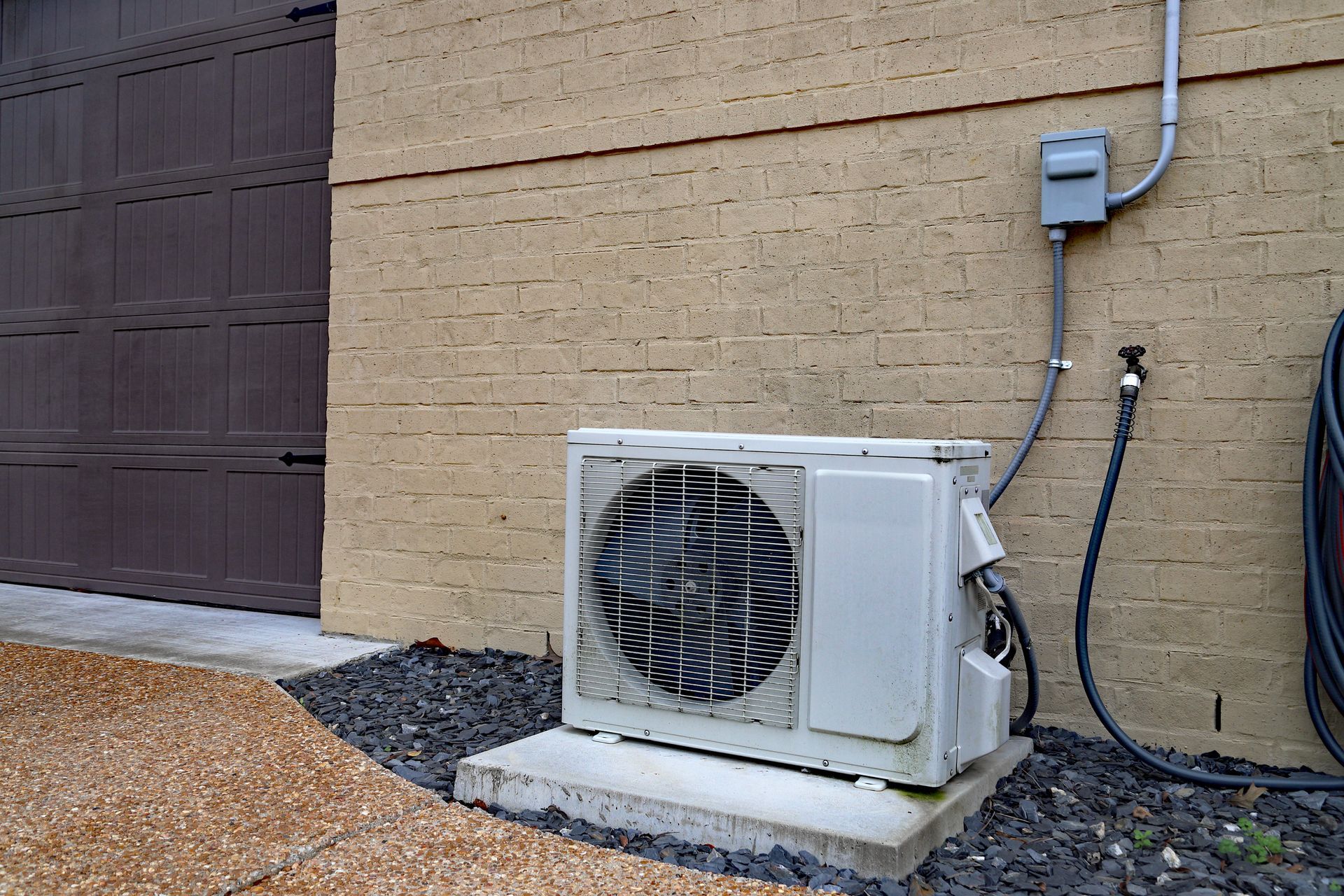
Mini split systems bypass ductwork entirely by connecting an outdoor compressor unit to one or more indoor air handlers through refrigerant lines, which eliminates energy loss from duct leakage and allows each indoor unit to operate independently with its own thermostat. Load calculation determines the cooling capacity needed in each zone based on room size, insulation, and window exposure, which prevents oversizing that wastes energy or undersizing that leaves the space uncomfortable. Refrigerant line sizing must match the distance between the outdoor unit and each indoor unit to maintain efficiency and prevent compressor strain.
Once the system is installed, you control temperature independently in each zone without affecting other areas, which means you can cool or heat only the rooms you are using rather than conditioning the entire house. Utility costs drop because the system does not lose conditioned air through duct leakage, and you avoid overcooling guest rooms or storage areas that do not need climate control. Each indoor unit operates quietly compared to traditional forced-air systems because the compressor is located outside and the indoor unit has no blower motor cycling on and off.
Brand-specific training covers the installation differences between mini split platforms and traditional split systems, including refrigerant line handling, condensate drain routing, and indoor unit mounting that affects airflow patterns. Parts inventory on the truck allows for same-day repair response when components fail..
What Property Owners Usually Ask
Mini split decisions involve evaluating whether zone cooling fits your home layout and whether the upfront cost justifies the long-term efficiency gain. These answers clarify what the system does and how it compares to traditional ductwork..
What is the advantage of mini splits over extending ductwork?
Mini splits eliminate the need to extend ductwork into spaces where running ducts would require structural modifications or where existing ducts cannot handle additional cooling load, which makes them practical for room additions, garages converted to living space, or older homes where ductwork is inadequate.
How does load calculation affect mini split sizing?
Load calculation measures the cooling demand of each zone based on room size, insulation, and window exposure, then matches indoor unit capacity to that demand rather than guessing based on square footage alone, which prevents oversizing that wastes energy or undersizing that leaves the space uncomfortable.
Why does refrigerant line sizing matter?
Refrigerant line sizing must match the distance between the outdoor compressor and each indoor unit to maintain efficiency, because lines that are too small restrict refrigerant flow and reduce cooling capacity, while lines that are too long without proper sizing cause the compressor to work harder and shorten equipment life.
What are common applications for mini splits in West Monroe?
Mini splits are commonly used in older homes with outdated ductwork, room additions that were not connected to the original HVAC system, detached workshops or garages that need climate control, and upstairs bedrooms that remain too warm even when the downstairs air conditioner is running.
How do mini splits compare to window units?
Mini splits deliver higher efficiency than window units, operate more quietly because the compressor is located outside, and provide both heating and cooling without requiring seasonal installation and removal, but they require professional installation with refrigerant line work rather than simply mounting in a window.
Cardin's Heating & Cooling LLC handles mini split installations with the same load calculation and static pressure testing standards applied to traditional systems, and the single-owner operation ensures installation quality rather than subcontracting work to crews unfamiliar with refrigerant line requirements. Call (318) 372-2621 to discuss whether mini splits are a practical solution for your home.